
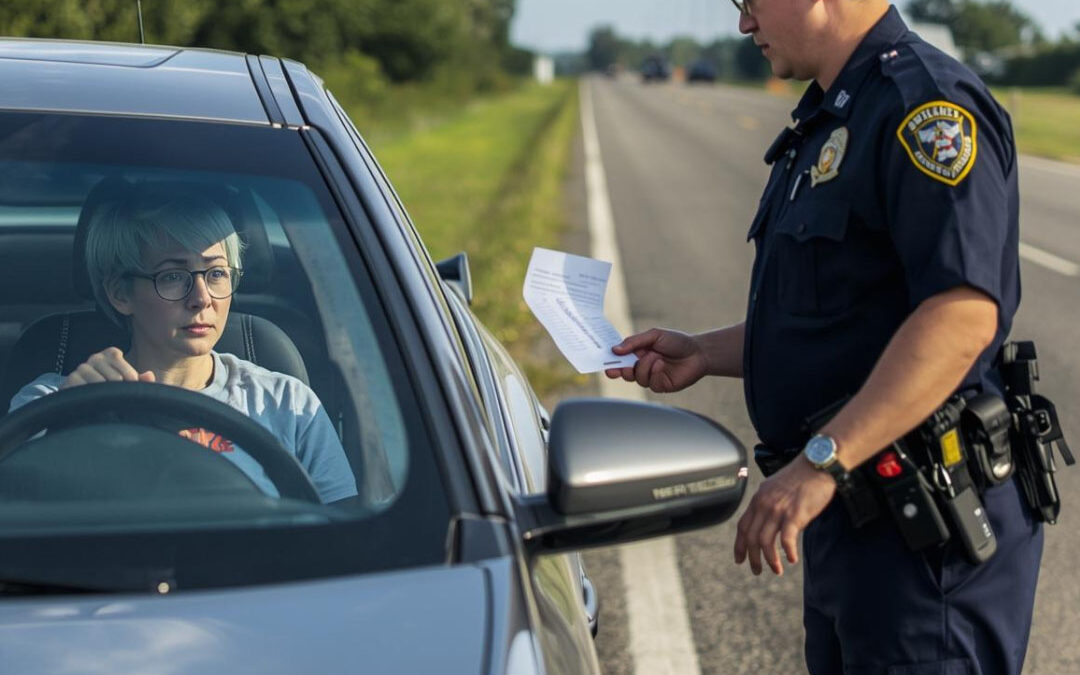
We’ve all seen the flashing lights in the rearview mirror and felt that immediate pit in the stomach. While the fine for a speeding ticket is a one-time hit to your wallet, the real cost often shows up later in your monthly auto insurance bill.
As an independent agency, we see firsthand how much a driving record dictates what you pay. If you’re looking to trim your expenses, the most effective tool isn’t a discount code—it’s your habits behind the wheel.
The Math Behind the Rate
Insurance companies use your past behavior to predict future risk. Statistically, drivers with prior infractions are more likely to be involved in future claims. When a carrier reviews your motor vehicle report (MVR), they are looking for specific red flags:
- Speeding Violations: Even going 10 mph over the limit can signal a higher risk profile to carriers.
- At-Fault Accidents: These stay on your record for years and are often the heaviest hitters for premium increases.
- Distracted Driving: With stricter laws on phone usage, a “simple” text can now result in a significant surcharge.
- Major Infractions: DUIs or reckless driving charges can sometimes make it difficult to find standard coverage at all.
Why “Clean” Means “Cheap”
The equation is straightforward: Clean driving equals lower rates. When you maintain a record free of tickets and claims, you become a “preferred” driver. This gives your independent agent the leverage to shop your policy across multiple carriers to find the most competitive pricing. You aren’t just avoiding penalties; you are actively earning a lower tier of pricing that high-risk drivers simply cannot access.
How to Improve Your Standing
If your record isn’t perfect right now, don’t worry—it isn’t permanent. Most violations “fall off” your insurance rating after three to five years. In the meantime, you can take proactive steps:
- Take a Defensive Driving Course: Many states allow you to remove points from your license or qualify for an immediate discount by completing a certified course.
- Monitor Your Speed: Utilizing cruise control on highways helps prevent “accidental” speeding.
- Put the Phone Away: Use “Do Not Disturb While Driving” modes to eliminate the temptation of notifications.
- Ask About Telematics: Some carriers offer programs that track your actual driving habits (like braking and acceleration) to provide a rate based on how you drive today, rather than what happened three years ago.
The Benefit of an Independent Agent
Because we work with a variety of insurance companies, we know which carriers are more forgiving of a single minor ticket and which ones offer the best rewards for a spotless history. We help you navigate these options, so you get the best value possible for your specific situation.